What We DoCustom Solutions
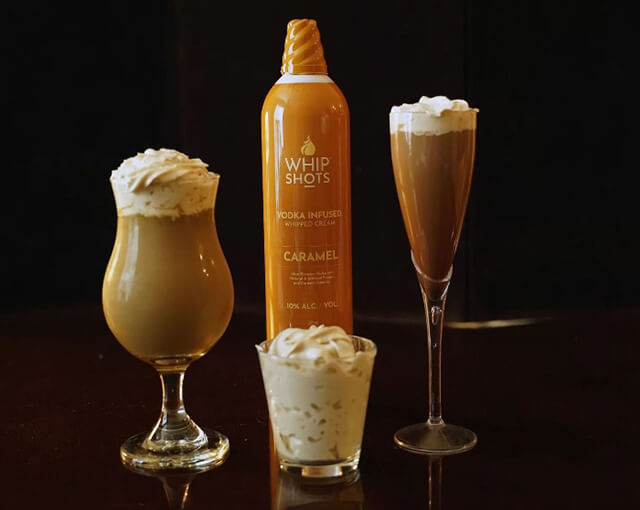
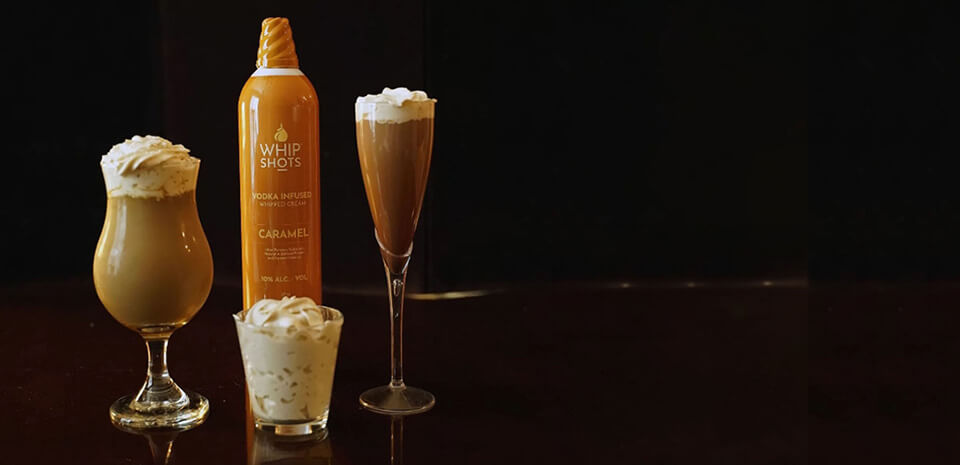
Clayton Corp created the first aerosol food product with the invention of Reddi-Wip®. Since then, we have pioneered many successful aerosol products. Our creative passion has led to revolutionary product creations in food, polyurethane foam, caulks & silicones, personal care, cosmetic, industrial applications and more.

Parts CatalogEverything But the Can
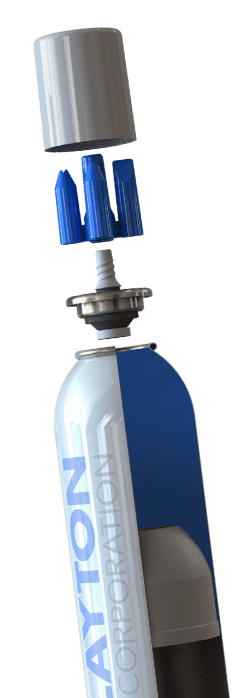

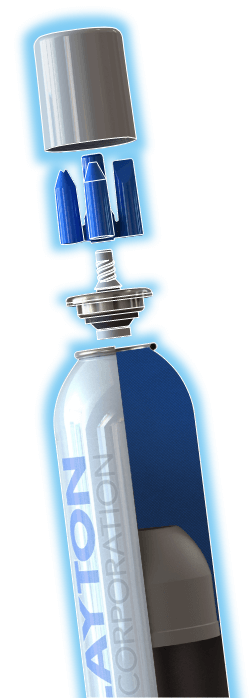
Covers
Standard dust and patented tamper-evident covers are a great solution for your products.


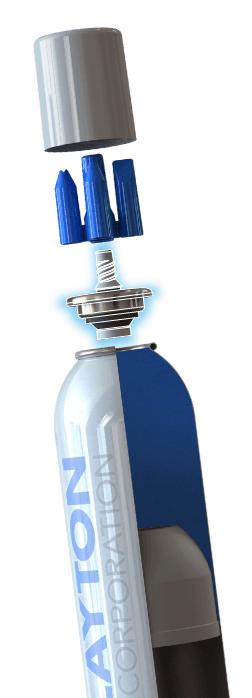

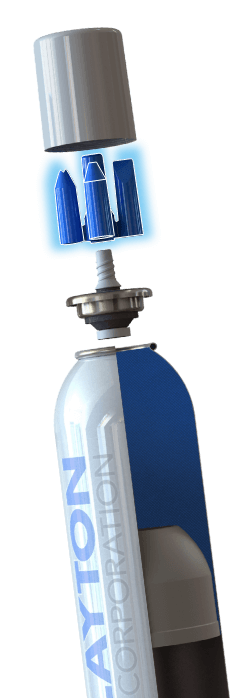
Custom Dispensing Systems
Dispensing 2 component systems, industrial reusable applicators, disposable applicators and more.


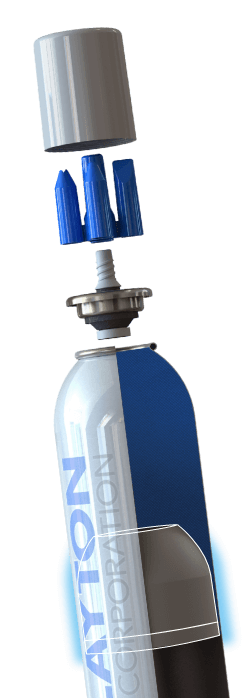
Barrier Packaging
Pistons and barrier package options are designed to provide a unique dispensing solution.

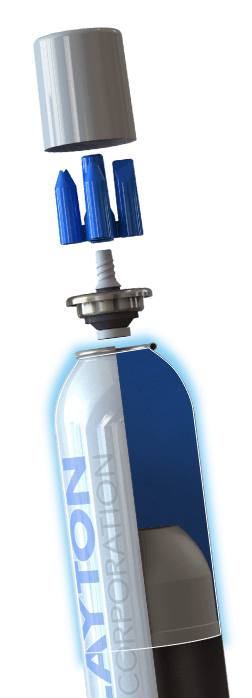
Formulation Development
Clayton's Engineering Team can help you develop custom formulations for your products.
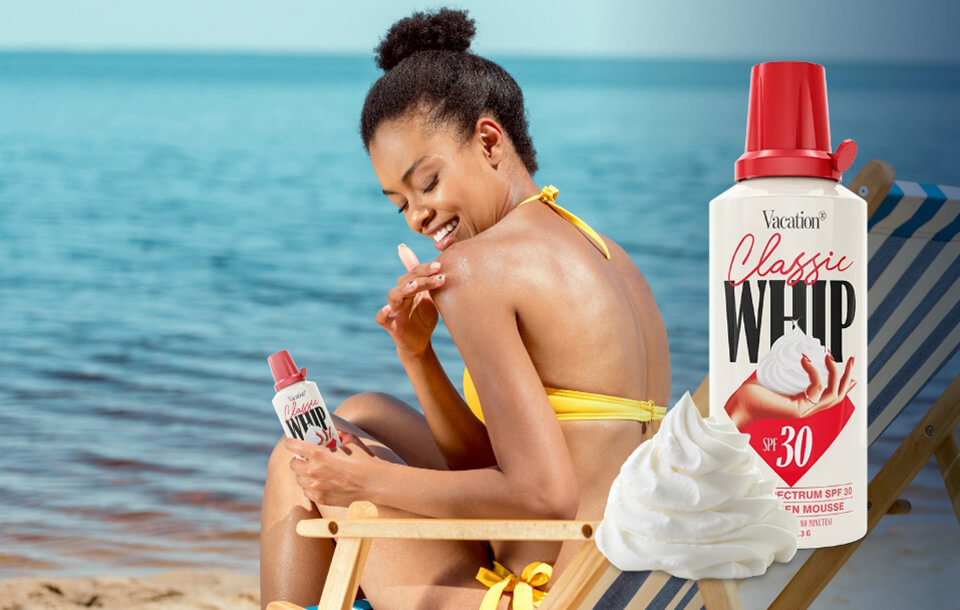
Case StudiesOur Recent Work
Clayton Corporation recently partnered with the sunscreen brand Vacation© to develop an aerosol solution for their air whipped formula.




United States - World Headquarters
866 Horan Drive
Fenton, MO 63026, USA
MexicoGrupo Marlaw S.A. de C.V.
Contact: Lawrence O'Reilly
Heraclito 327A P.B.
Col. Polanco, 11560, Mexico, D.F.
United Kingdom - Republic of IrelandMaynard Chamberlain Associates Ltd.
Contact: Jon Lougee
Bryncerni, Cross Inn, Llanon
Ceredigion, SY23 5NE, United Kingdom
EuropeAlfa Products Srl
Contact: Daniel Silvers
Viale Papiniano 10
20123 - Milano, Italy
Chinahanghai Ye Yuan Trade Co., Ltd.
Contact: Xie Rong Guo
No. 5, 103 Lane, Si Zhuan Road
Song Jiang District, Shanghai, 201613, China
KoreaASKOS Technology, Inc.
Contact: Robert Kihong Kim
1 International Blvd. #400
Mahwah, NJ, 07495, USA
